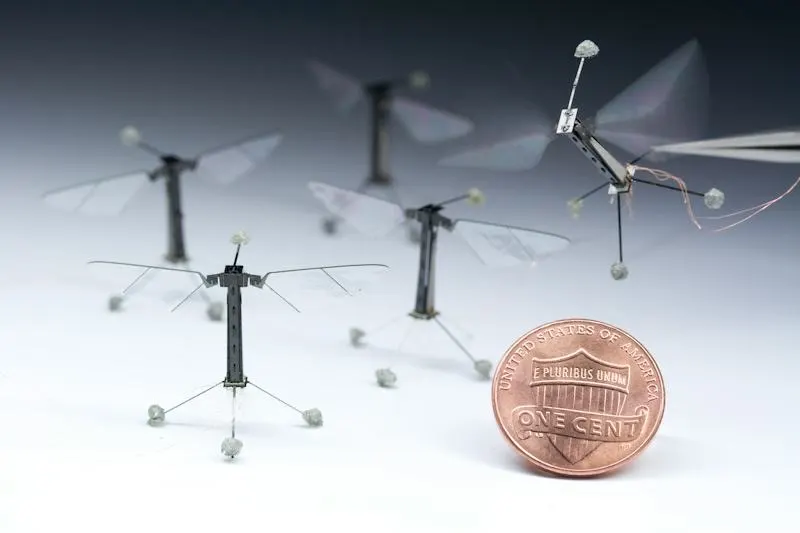
Not soldAcademic research platform.
Not for sale (research)Not programmableInsect-scalePiezo 'muscles'80 mg
Not soldShipping: Not sold. Not available; a university research project.
Remote control: Not possible. A lab platform controlled through its tether and lab rigs.
Overview
The smallest flying robot of its era. It made its first controlled flight in 2012 and was published in Science in May 2013, made possible by pop-up MEMS folding fabrication and piezoelectric wing actuators. Later variants perched with electrostatic adhesion and switched between swimming and flying. The four-winged RoboBee X-Wing (2019) became the lightest vehicle to achieve sustained untethered flight, powered by solar cells under lab lights.
Specifications
| Category | Flapping-wing fliers · Flapping-wing robots |
|---|---|
| Released | 2013 |
| Availability | Not for sale (research) |
| Programmability | No programmability |
| Best for | Professionals & labs |
| Vision sensors | No vision sensors |
| Actuators | Other |
| Audio | No audio |
| Compute type | Laptop / PC as the brain |
| Remote control | Not programmable |
| Size | ~3 cm wingspan, ~80 mg (original); X-Wing with solar cells 259 mg |
| Locomotion | Two (X-Wing: four) wings flapping ~120 times/s via piezoelectric actuators |
| Compute | Off-board (tethered control); X-Wing carries only power-conversion electronics |
| Camera | None on board |
| Sensors | Off-board motion capture for control |
| Runtime | Tethered; X-Wing flies only under intense halogen light (~3 suns) |
| Speed | Not published |
| SDK | None |
Ratings & reviews
Ratings and reviews load on the live site.
Similar robots
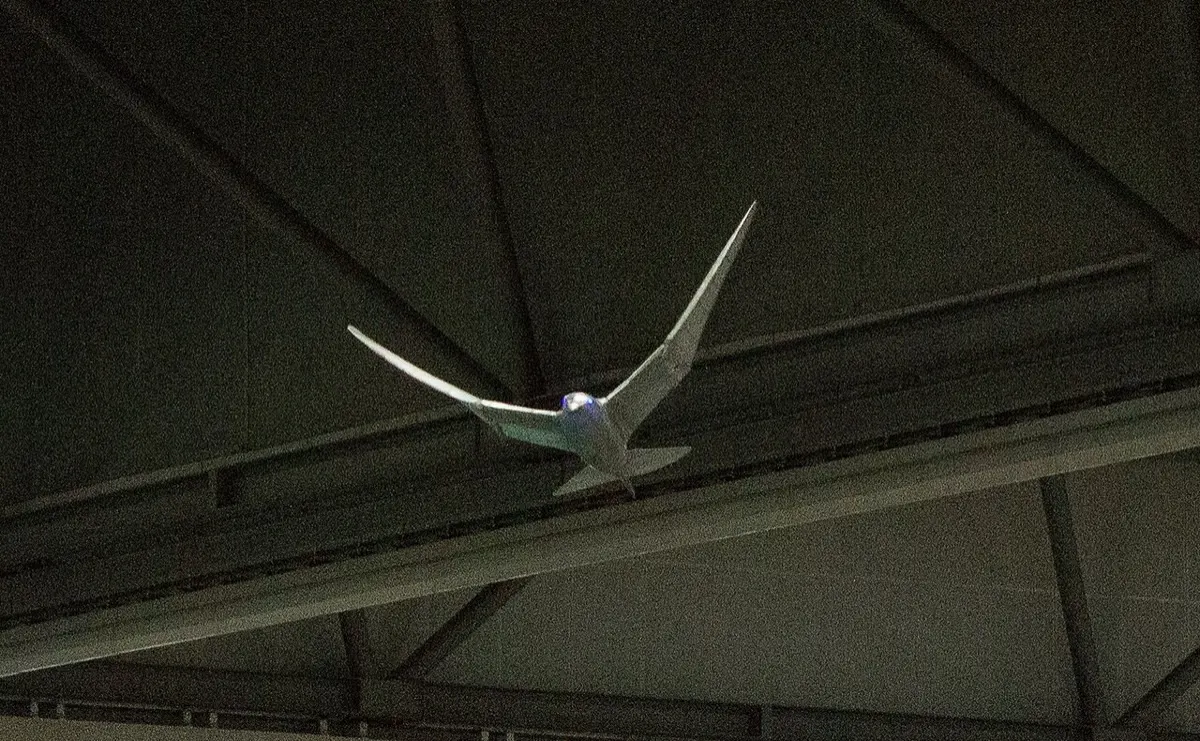 Festo SmartBirdFesto Bionic Learning Network (Germany)Not sold
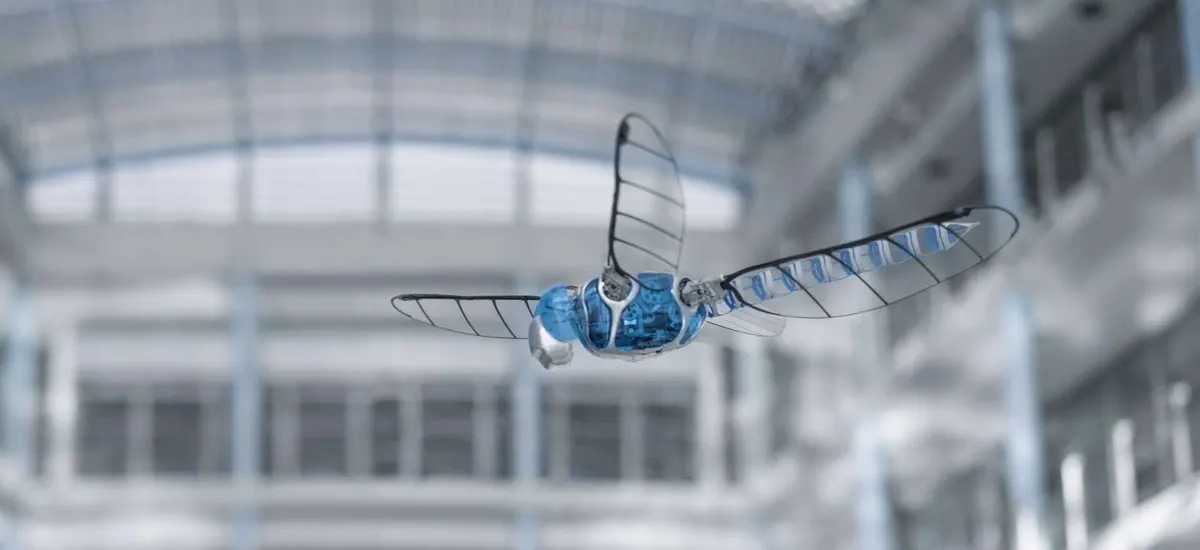 Festo BionicOpterFesto Bionic Learning Network (Germany)Not sold
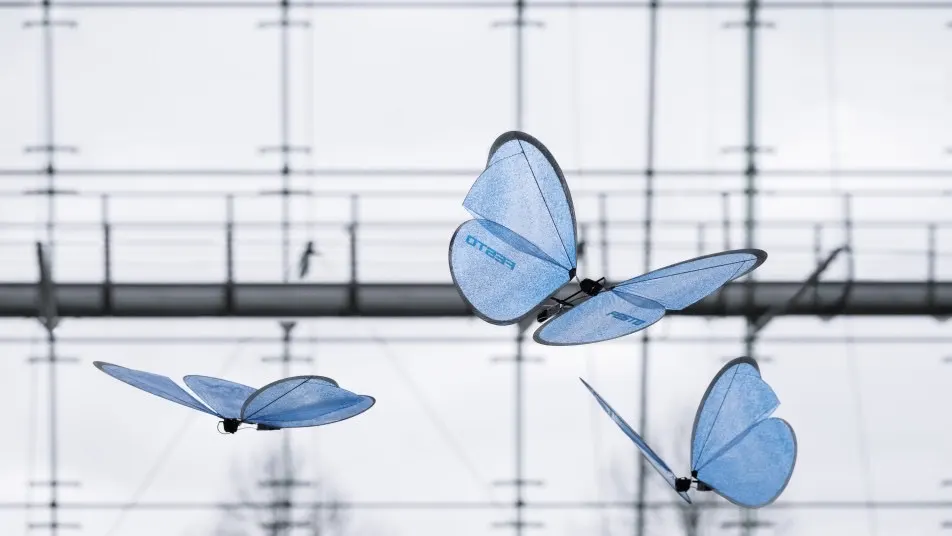 Festo eMotionButterfliesFesto Bionic Learning Network (Germany)Not sold
 Festo BionicSwiftFesto Bionic Learning Network (Germany)Not sold
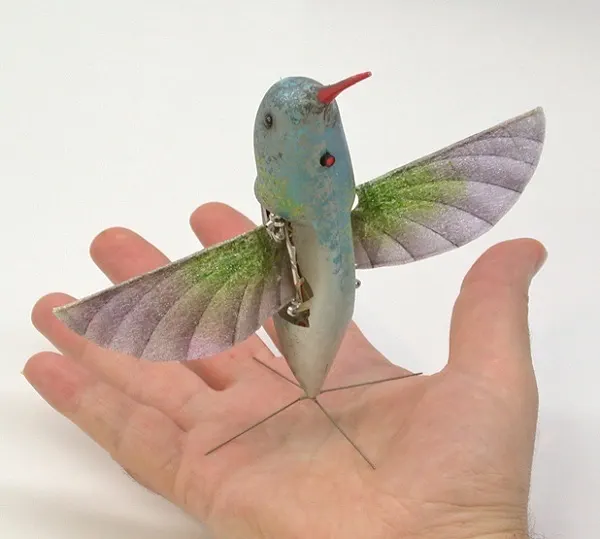 AeroVironment Nano HummingbirdAeroVironment (USA), for DARPANot sold
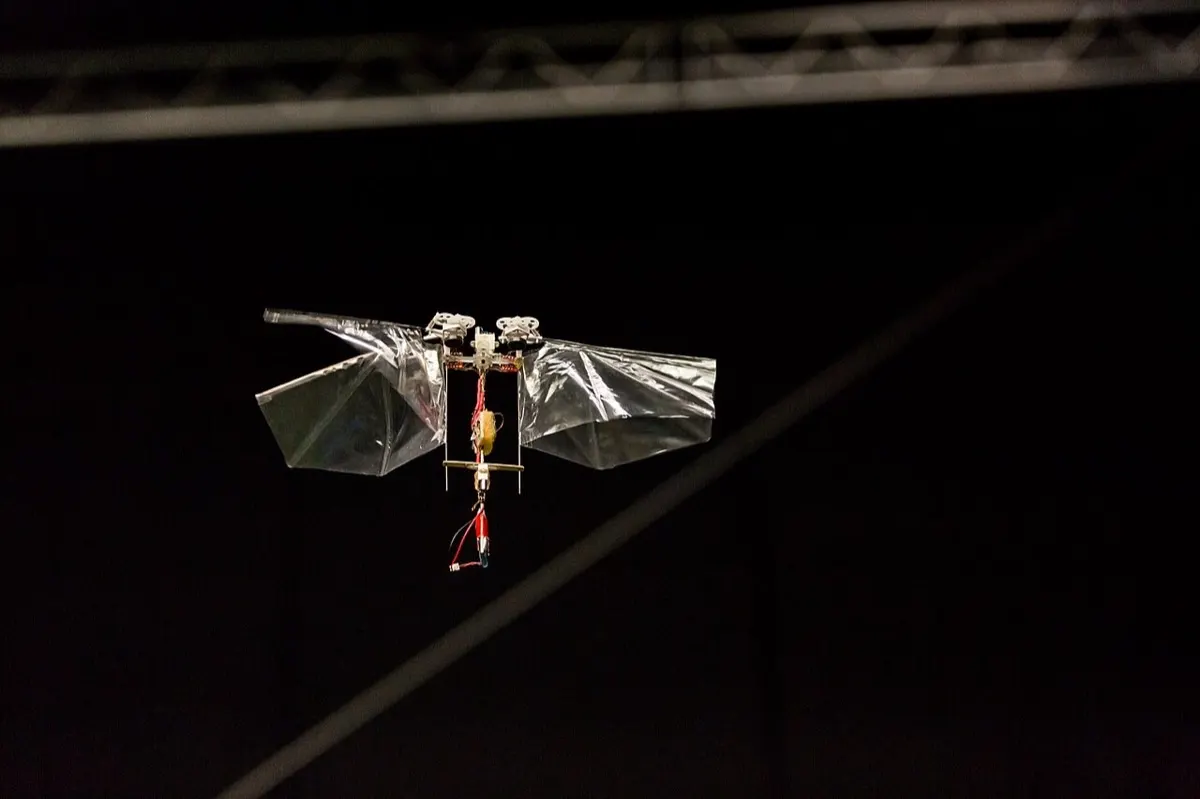 DelFly (II / Micro / Explorer / Nimble)TU Delft MAVLab (Netherlands)Not sold
Image credits
- Image 1: source (Wyss Institute at Harvard University press image)