No image
Not for saleUniversity research robot (IEEE ICAR 2005, IJRR 2006).
Not for sale (research)Not programmableResearchMicrospinesWall climbingDARPA
Not for saleShipping: Not for sale. Not available. A university research project.
Remote control: Not possible. A university research prototype.
Overview
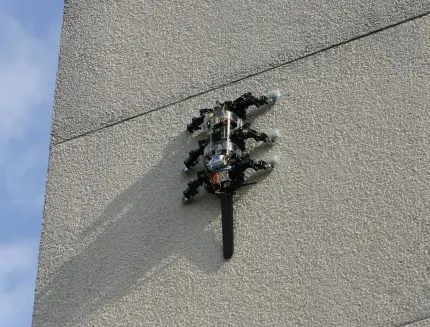
Spinybot climbed concrete, stucco, brick and stone walls without suction or adhesive by catching tiny surface bumps with arrays of compliant steel microspines, an idea borrowed from insects and spiders. The first Spinybot used four spines per foot and managed only stucco and rough concrete, while SpinybotII's sixth-generation feet with ten independently sprung toes spread the load well enough to climb multi-story buildings and cling without power. The microspine feet were then transferred to the Boston Dynamics-led RiSE robot and later to perching drones, and the same lab went on to build Stickybot.
Specifications
| Category | Crawlers, snakes & climbers · Climbers & inspection crawlers |
|---|---|
| Released | 2005 |
| Country | USA |
| Availability | Not for sale (research) |
| Programmability | No programmability |
| Best for | Professionals & labs |
| Vision sensors | Camera |
| Actuators | Hobby servos |
| Audio | No audio |
| Compute type | Arduino / ESP32 / microcontroller |
| Remote control | Not programmable |
| Size | About 58 cm long including tail, 0.4 kg with batteries and camera |
| Locomotion | Six legs in two alternating tripods, linkages ratchet the feet up the wall. Each foot has ten compliant toes with steel microspines, plus a long tail against pitch-back |
| Compute | 40 MHz PIC microcontroller |
| Camera | Small wireless camera (20 g) in the tail |
| Sensors | None for control (open-loop gait) |
| Runtime | Not published (7.4 V, 340 mAh LiPo onboard) |
| Speed | 2.3 cm/s climbing, can carry a 0.4 kg payload |
| SDK | None |
Ratings & reviews
Ratings and reviews load on the live site.
Similar robots
 RiSE Climbing RobotBoston Dynamics with Stanford, CMU, UC Berkeley, Penn and Lewis & Clark (USA)Not for sale
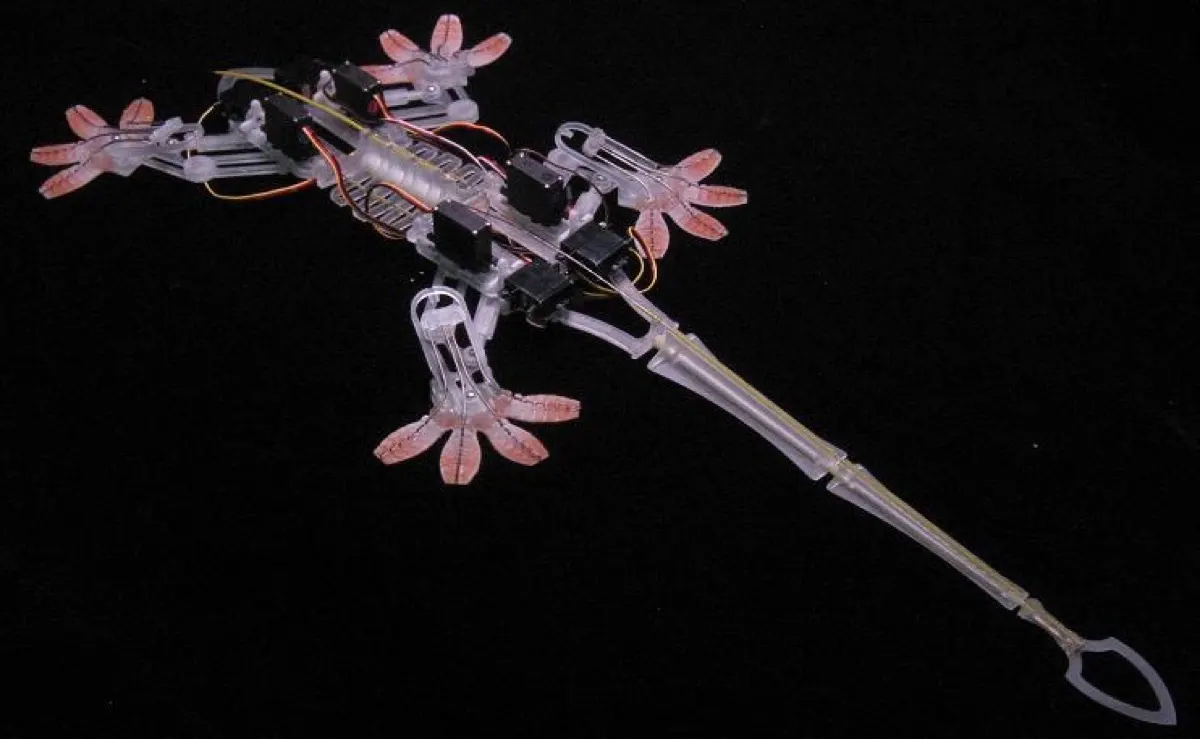 Stickybot / Stickybot IIIBiomimetics & Dexterous Manipulation Lab, Stanford University (USA)Not for sale
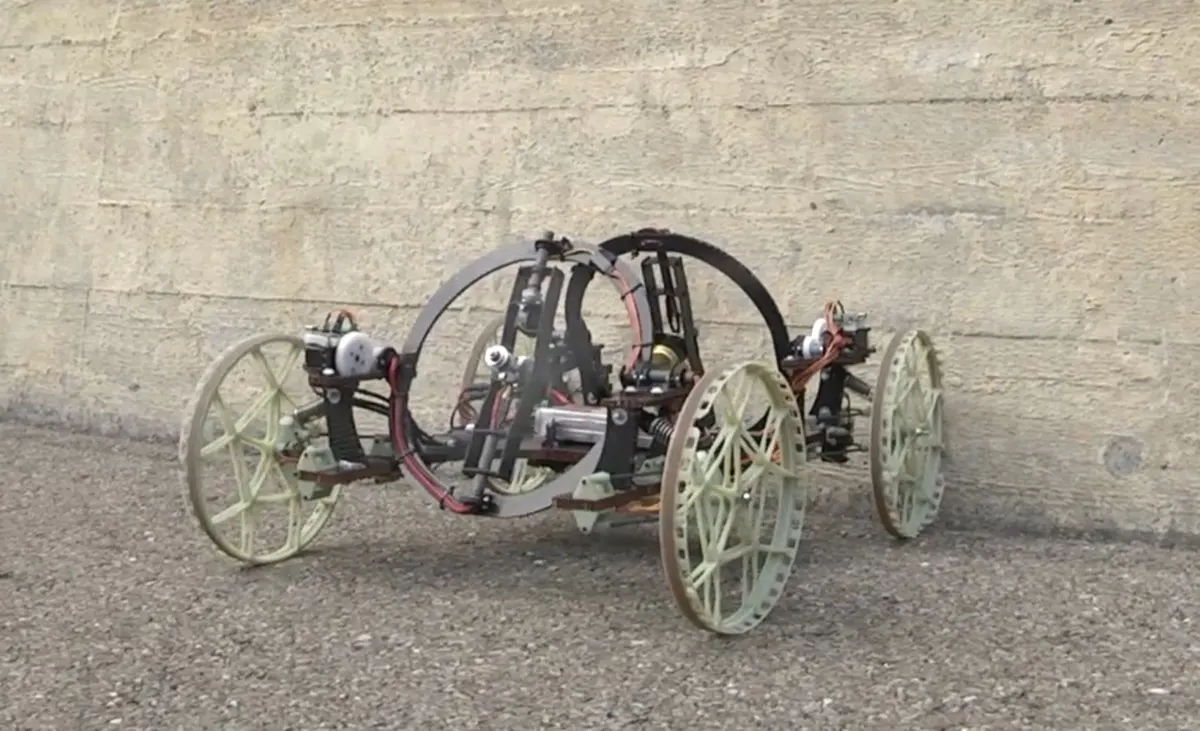 VertiGoDisney Research Zurich & ETH Zurich (Switzerland)Not for sale
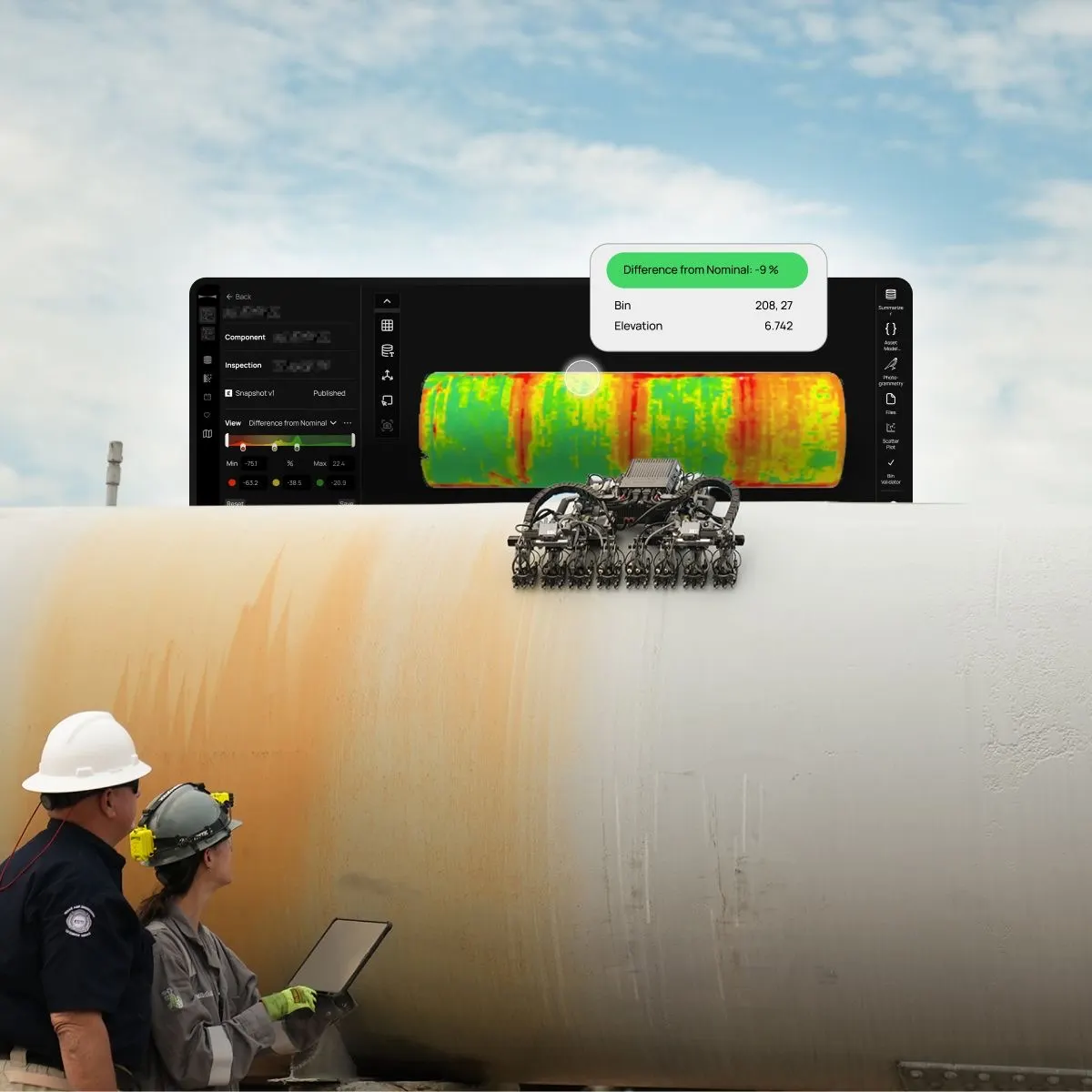 Gecko Robotics TOKA CrawlersGecko Robotics (Pittsburgh, USA)Service contract
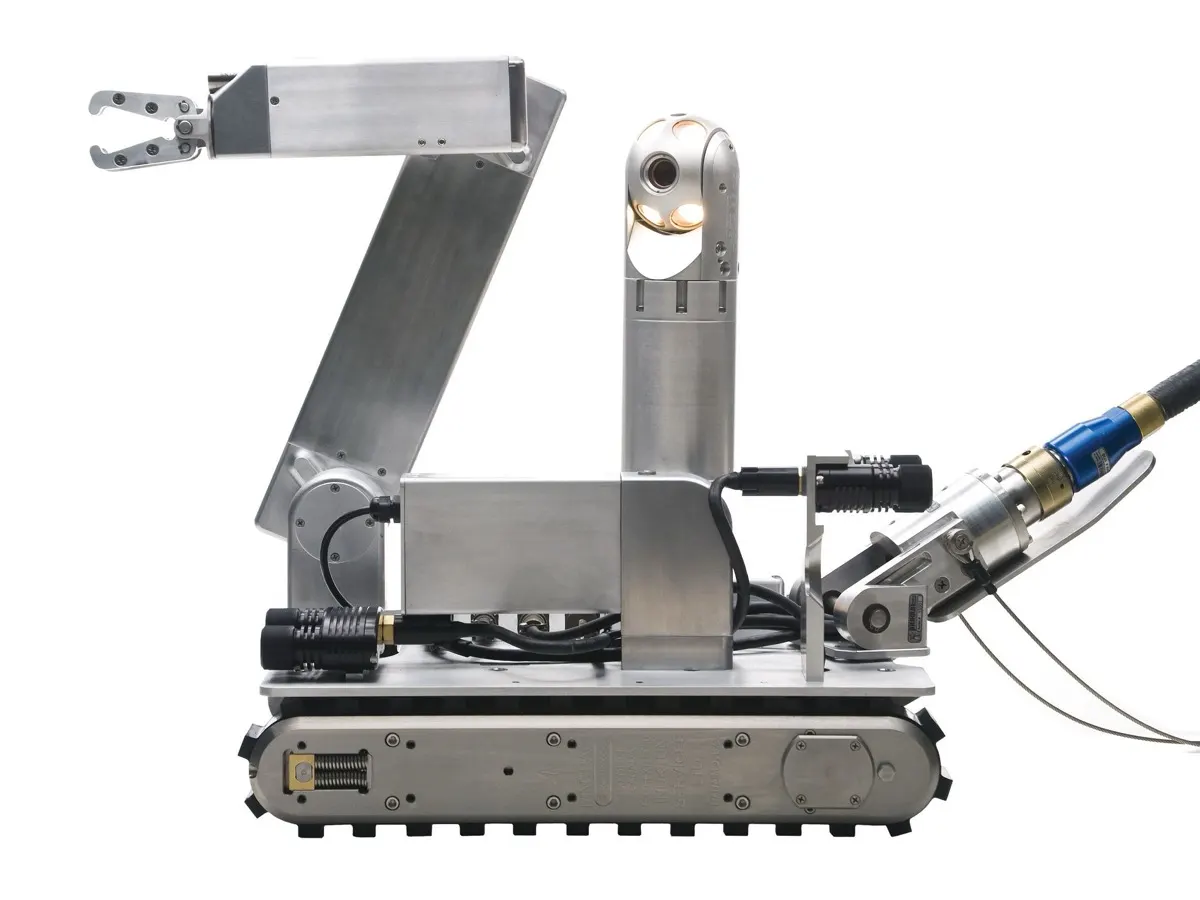 Inuktun / Eddyfi VersaTrax CrawlersEddyfi Technologies (formerly Inuktun, Canada)$139,000 (VersaTrax 450 TTC system)
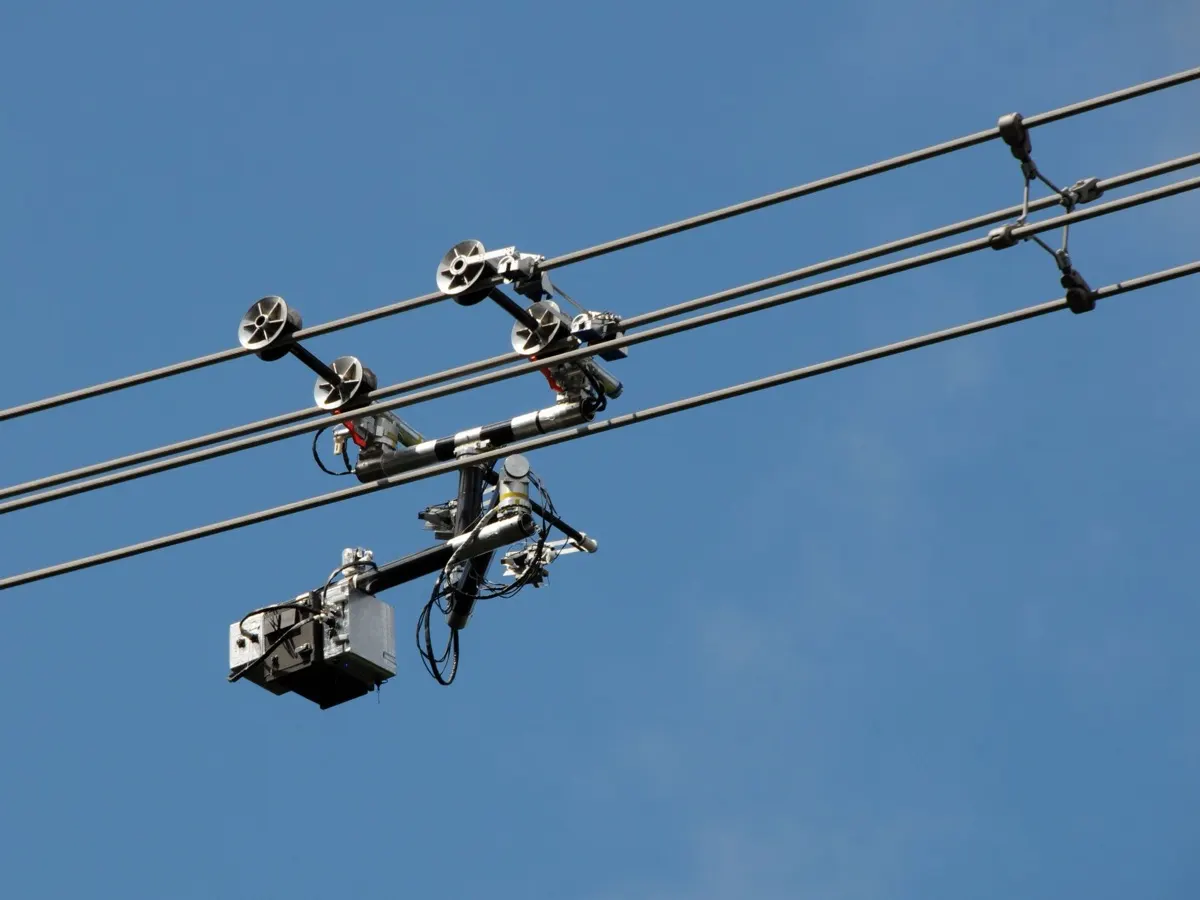 HiBot ExplinerHiBot (Japan)Price not public