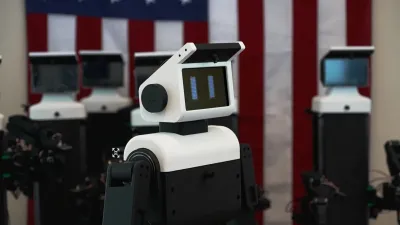
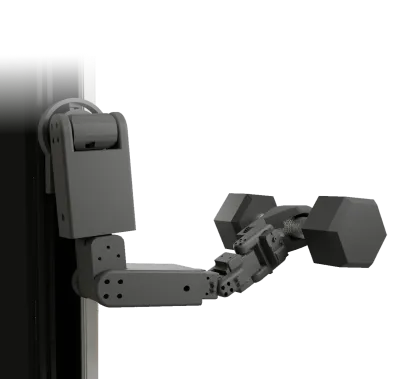
$1,688Maker site, October 2026. Full price, no deposit, ships fall 2026. Includes the open-source SDK, Discord community and priority shipping. Developers and researchers can also apply for a beta
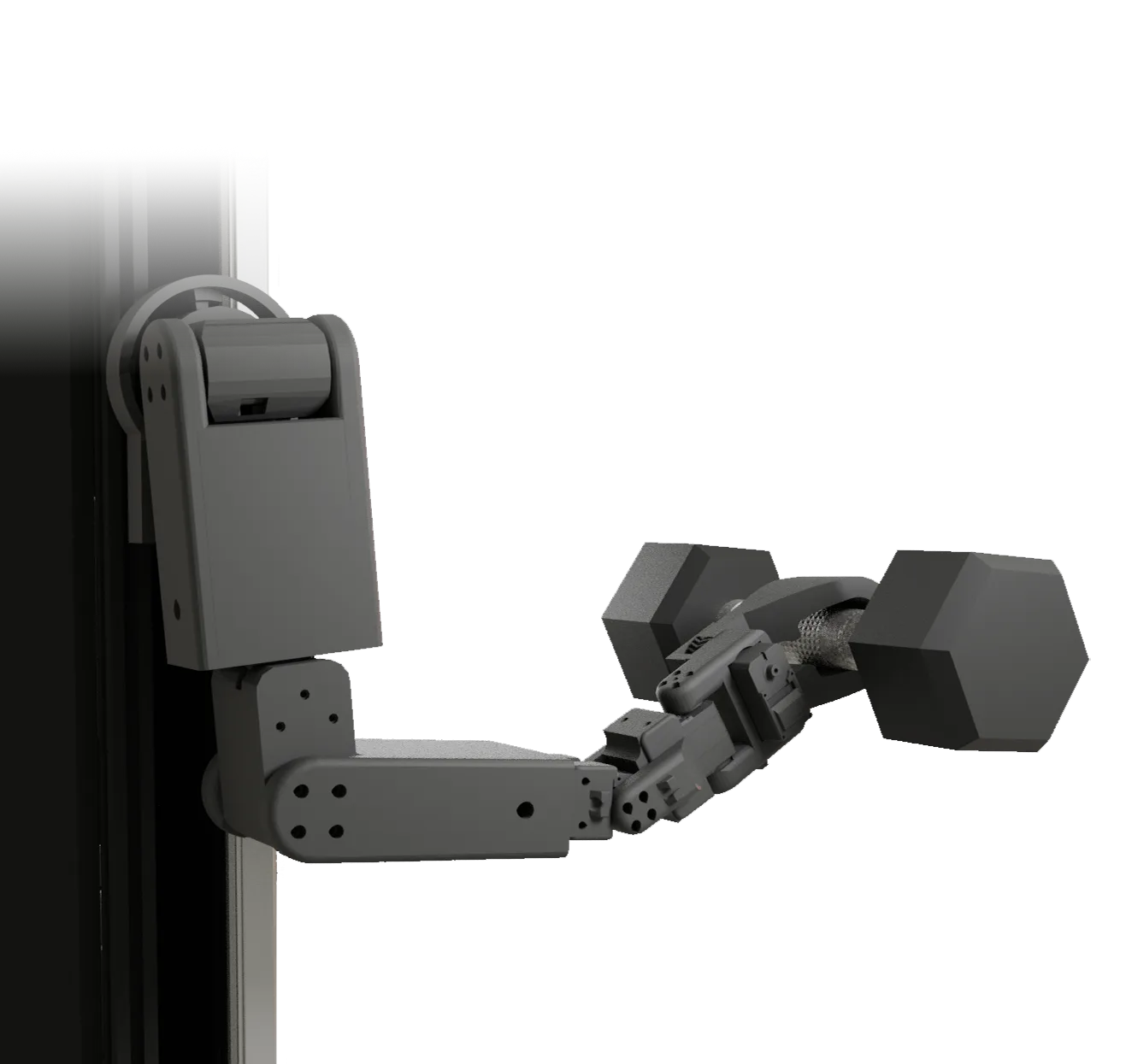
AvailablePython from a laptopTwo 7-DOF arms$1,688Assembled in San FranciscoLeRobot datasetsPython SDK
Weeks+Shipping: Fall 2026. Ordered direct from Nori at full price, shipping fall 2026. Nori's docs say the A3 ships assembled and has gone to customers since July 2026. New Atlas reports the first batch of over 100 sold out and a second batch of 100 is being assembled. Nori says it is assembled in San Francisco, so the July 2026 FCC rule on foreign-made robots does not apply. Nori ↗
Remote control: Install the Nori Lab desktop app (currently run from source on macOS with Python 3.12+ and
lelab), or pip install "nori-sdk[all]" and drive the robot from Python with RemoteTeleop over WebRTC. A mock_session() allows development with no robot.Overview
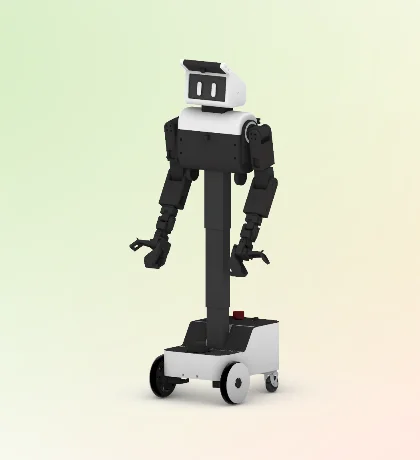
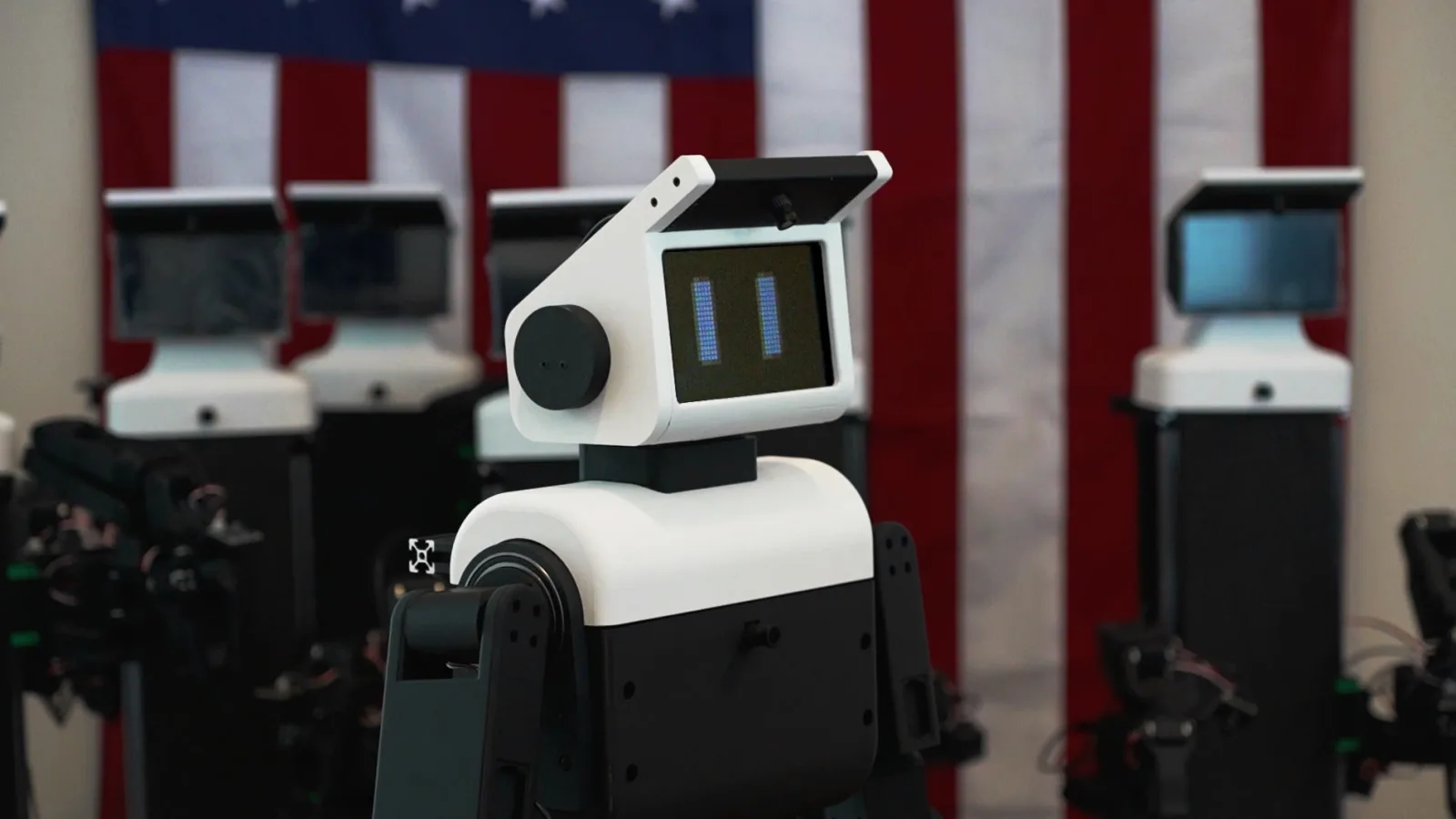
A very low-cost wheeled two-arm robot with a telescoping lift, Feetech STS servos and a Raspberry Pi 5, sold more as a developer platform than a finished home helper. Skills are taught by teleoperated demonstration in the Nori Lab app, trained in the cloud and can be shared on a marketplace, and the Python SDK, protocol and printable parts are open. The catch is that nothing autonomous comes pre-loaded, the 1.5 kg servo arms are position-controlled, the differential base cannot strafe, and full A3 docs are still marked "coming soon". It is closest in spirit to XLeRobot but ships assembled.
Specifications
| Category | Wheeled rovers · Laptop is the brain |
|---|---|
| Released | 2026 |
| Country | USA |
| Availability | Available |
| Sales | First batch of over 100 units sold out (2026, estimate) New Atlas ↗ |
| Programmability | Full SDK |
| Built-in autonomy | None / scripted · Moves only when controlled, or plays preset motions |
| LLM support | Official LLM tools · Nori Lab is a fork of Hugging Face's LeLab, and recordings become LeRobot-format datasets, so LeRobot's language-conditioned policies apply. The Nori-Lab repo also holds cloud-inference adapters for VLA models (pi0.5, GR00T, MolmoAct2), which look like work in progress. A speaker and mic are fitted for spoken commands. Nori docs, Training ↗ |
| MuJoCo simulation | Maker URDF only · Official URDF/xacro (nori_description), which Nori says converts to MuJoCo by the standard URDF path. Mass is about 10% light and inertia approximate. nori_description ↗ |
| NVIDIA Isaac simulation | Maker URDF only · Official URDF/xacro, with Isaac Sim import tips in the docs. No packaged Isaac asset. Nori A3 docs ↗ |
| Gazebo simulation | Maker URDF only · Official URDF/xacro ROS 2 package with ros2_control and RViz launch files, no Gazebo world. A kinematic browser sim exists at lab.norirobotics.com. nori_description ↗ |
| Best for | Ages 14+ (estimated) |
| Vision sensors | Camera, Lidar |
| Actuators | Smart servos (Dynamixel, Feetech…) |
| Audio | Speaker, Microphone |
| Compute type | Raspberry Pi, Laptop / PC as the brain |
| Remote control | Python from a laptop |
| Size | 45 × 45 cm base, 69–145 cm tall (telescoping lift), 20.4 kg |
| Drive | Differential drive with passive casters, three-stage telescoping lift (30 mm/s) |
| Compute | Raspberry Pi 5 (4 GB) for the control loop and safety layers. Policy inference runs off-board in the desktop app, and training runs in Nori's cloud |
| Vision | 4× 720p RGB cameras up to 30 fps (both wrists, head and neck). The live feed is a tiled 320×240 15 fps stream |
| Lidar | Lidar with 12 m range, 8–12 Hz scan, 0.72° resolution at 10 Hz |
| Sensors | Servo position and current feedback, gripper grip-force estimate from motor current (no force sensor), speaker and microphone |
| Runtime | 6–8 h (24 V, 18 Ah) |
| Speed | Not published |
| SDK | nori-sdk (Python, Apache-2.0, on PyPI) and @nori/sdk (TypeScript) over the open nori-protocol, a ROS 2 gateway on the robot, Nori Lab app (LeRobot-based recording and cloud training), skills marketplace |
Ratings & reviews
Ratings and reviews load on the live site.
Similar robots
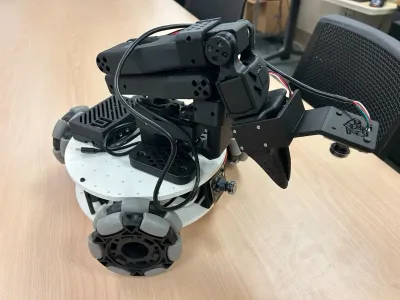 LeKiwiHugging Face LeRobot + SIGRobotics UIUC (open source)~$450 – $870 complete
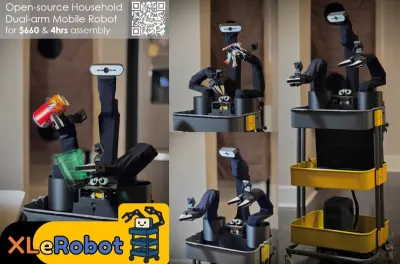 XLeRobot 0.4Gaotian Wang (Rice Univ.), open source, kit by WowRobo~$800 – $900 all-in
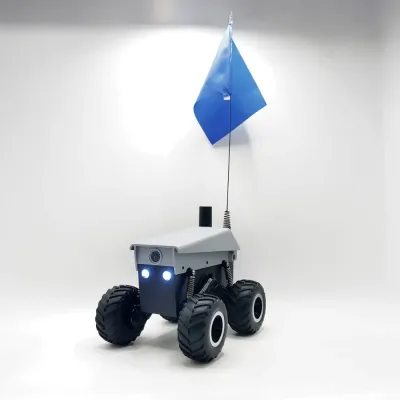 EarthRover Mini+FrodoBots$349
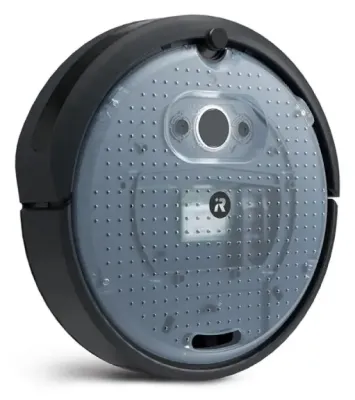 iRobot Create 3iRobot (USA)Was ~$299–$449
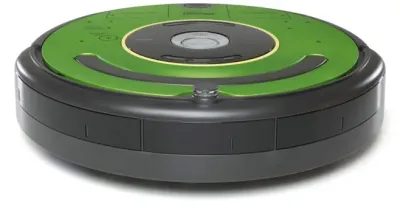 iRobot Create 2iRobot (USA)Was $199
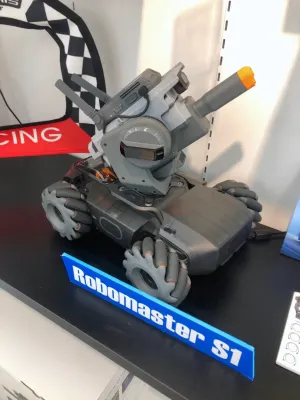 DJI RoboMaster S1DJI (China)Was $499–$549