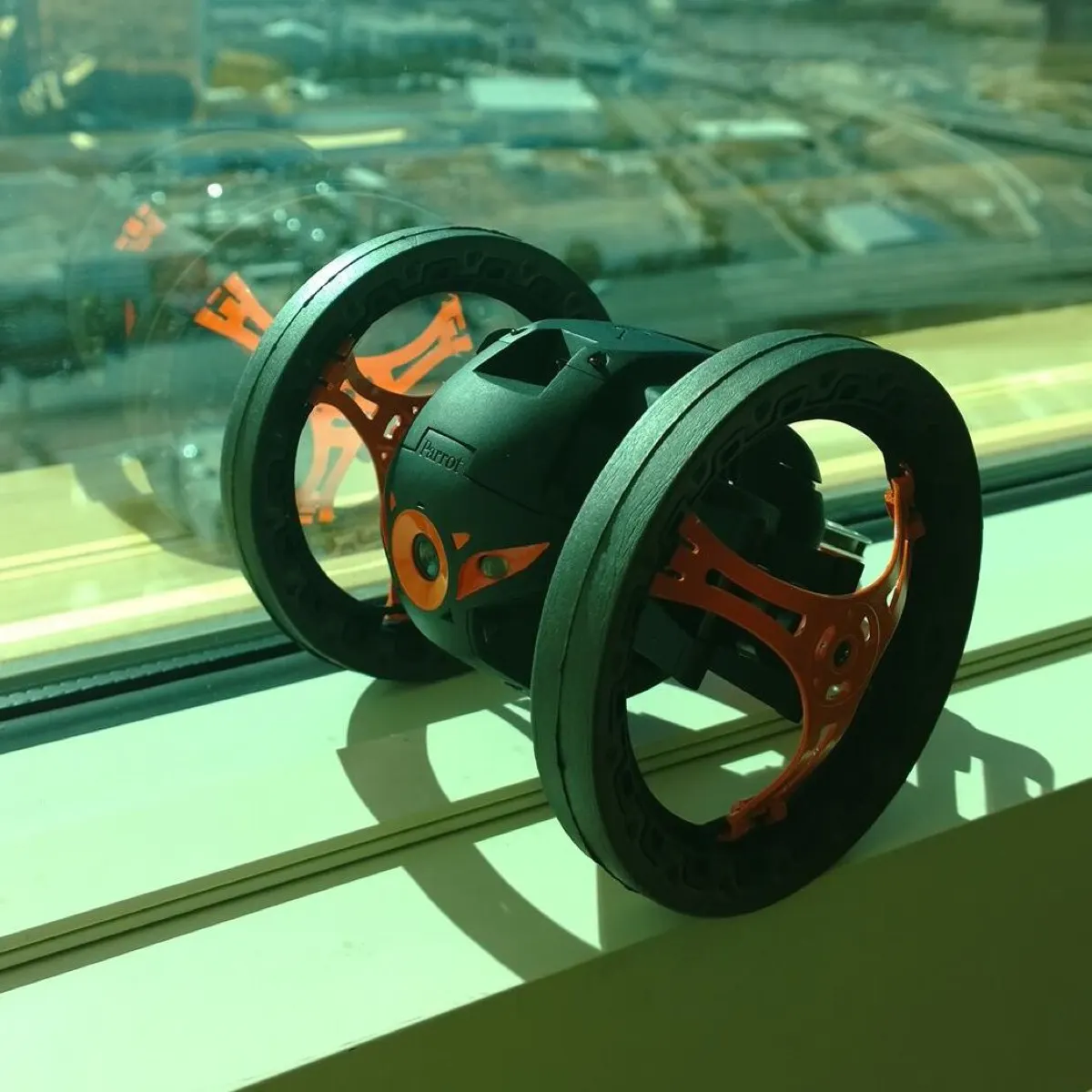
Overview
The rare consumer jumping robot, a two-wheeled Wi-Fi rover that uses a wound spring leg to leap up to 80 cm onto steps or tables and lands on its wheels. Unveiled at CES 2014 alongside the Rolling Spider minidrone and shipped from August 2014. The Jumping Race (faster) and Jumping Night (headlights) editions followed in 2015. Parrot quietly exited the minidrone line around 2018–2019, but the open ARSDK3 made it a popular hacking target and used units remain common.
- Type
- Jumping robot · Jumping & hopping robots
- Maker
- Parrot (France)
- Released
- 2014
- Price
- Was $159.99 (2014)
- Status
- Discontinued · used/leftover only
- Best for
- Ages 12+
- Programming
- Full SDK
Price and shipping
US launch price $159.99 (TechCrunch, June 2014, Sprint listed it at $159.99 in August 2014). Sold in 2014 through Apple, Best Buy, Sprint and Verizon. 2015 Jumping Race and Jumping Night variants followed.
Shipping: Used market. Discontinued. Used Jumping Sumo, Race and Night units turn up regularly on eBay, often for well under launch price. Spare batteries are shared with the Rolling Spider.
Specifications
| Category | Jumpers & hoppers · Jumping & hopping robots |
|---|---|
| Released | 2014 |
| Country | France |
| Availability | Discontinued · used/leftover only |
| Jumping Robots | Ranked #5 by jump height |
| Programmability | Full SDK |
| Built-in autonomy | None / scripted · Moves only when controlled, or plays preset motions |
| LLM support | Possible via SDK · No built-in LLM. Its SDK lets software on a computer control it. |
| MuJoCo simulation | None found · Nothing found. |
| NVIDIA Isaac simulation | None found · Nothing found. |
| Gazebo simulation | None found · Nothing confirmed. Parrot's Gazebo-based Sphinx may have supported it, unverified. |
| Best for | Ages 12+ (estimated) |
| Vision sensors | Camera |
| Actuators | DC / gear motors |
| Audio | Speaker |
| Compute type | Other ARM chip |
| Remote control | Via SSH / web / bridge |
| Size | 18.5×15×11 cm with wheels extended (7.28×5.90×4.33 in), 180 g |
| Locomotion | Two-wheel differential drive with retractable wheels, spring-loaded tail kicks the body up to 80 cm high or long |
| Compute | Embedded board running Linux (SoC not published) |
| Camera | Wide-angle camera, 640×480 at 15 fps streamed over Wi-Fi |
| Sensors | Gyroscope + accelerometer (inertial unit), speaker, LED eyes |
| Runtime | Up to 20 min, about 1 h recharge (removable LiPo shared with Rolling Spider) |
| Speed | Up to 2 m/s (7 km/h), Jumping Race boosted to ~6 mph |
| SDK | Parrot ARSDK3 (C, iOS, Android) with official JumpingSumo samples, FreeFlight 3 app with scripted 'Road Plan' sequences |
Common questions
How much does Parrot Jumping Sumo cost?
It sold for $159.99 (2014). US launch price $159.99 (TechCrunch, June 2014, Sprint listed it at $159.99 in August 2014). Sold in 2014 through Apple, Best Buy, Sprint and Verizon. 2015 Jumping Race and Jumping Night variants followed.
Can Parrot Jumping Sumo be bought today?
It is discontinued, though used or leftover units still turn up. Discontinued. Used Jumping Sumo, Race and Night units turn up regularly on eBay, often for well under launch price. Spare batteries are shared with the Rolling Spider.
Who makes Parrot Jumping Sumo?
Parrot Jumping Sumo is made by Parrot (France). It came out in 2014.
Can Parrot Jumping Sumo be programmed?
Full SDK. Parrot ARSDK3 (C, iOS, Android) with official JumpingSumo samples, FreeFlight 3 app with scripted 'Road Plan' sequences.
Does Parrot Jumping Sumo have AI chat or LLM support?
Possible via SDK. No built-in LLM. Its SDK lets software on a computer control it.
What age is Parrot Jumping Sumo for?
Ages 12+ (estimated).
Ratings & reviews
Ratings and reviews load on the live site.
Related guides
- Jumping Robots · the top 10 ranked by jump height
Similar robots
 SALTO / SALTO-1PUC Berkeley Biomimetic Millisystems Lab (USA)Not for sale
 Sand FleaBoston Dynamics (USA)Not for sale
 BionicKangarooFesto Bionic Learning Network (Germany)Not for sale
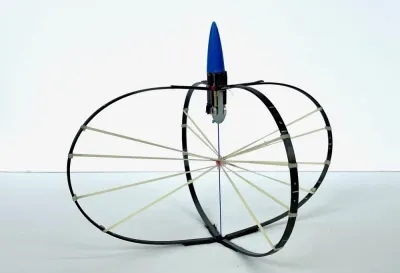 UCSB 30-Meter JumperUC Santa Barbara Hawkes Lab with Disney Research and Caltech (USA)Not for sale
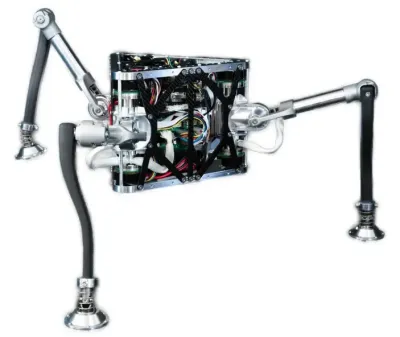 SpaceHopperETH Zurich Robotic Systems Lab student focus project (Switzerland)Not for sale
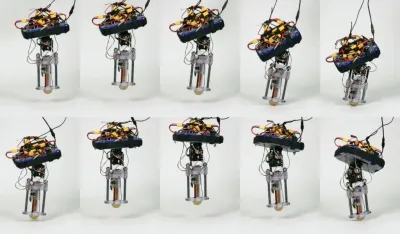 Disney Research One-Legged Hopper (LEAP)Disney Research (USA)Not for sale
Sources
Parrot product page (2014 archive) ↗ · ARSDK3 samples (GitHub) ↗
Image credits
- Image 1: source (CC BY-SA 3.0, Halftermeyer)