

Overview
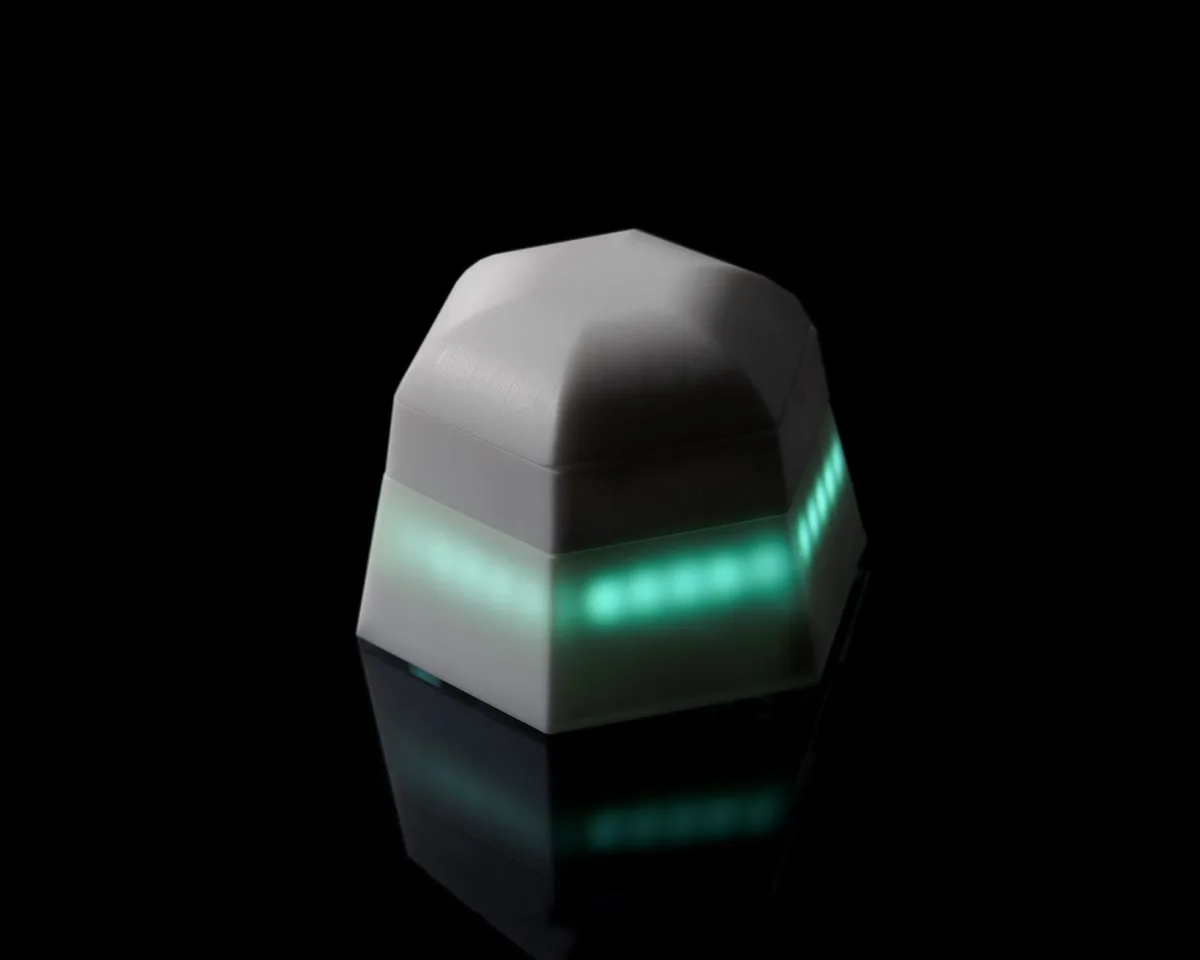
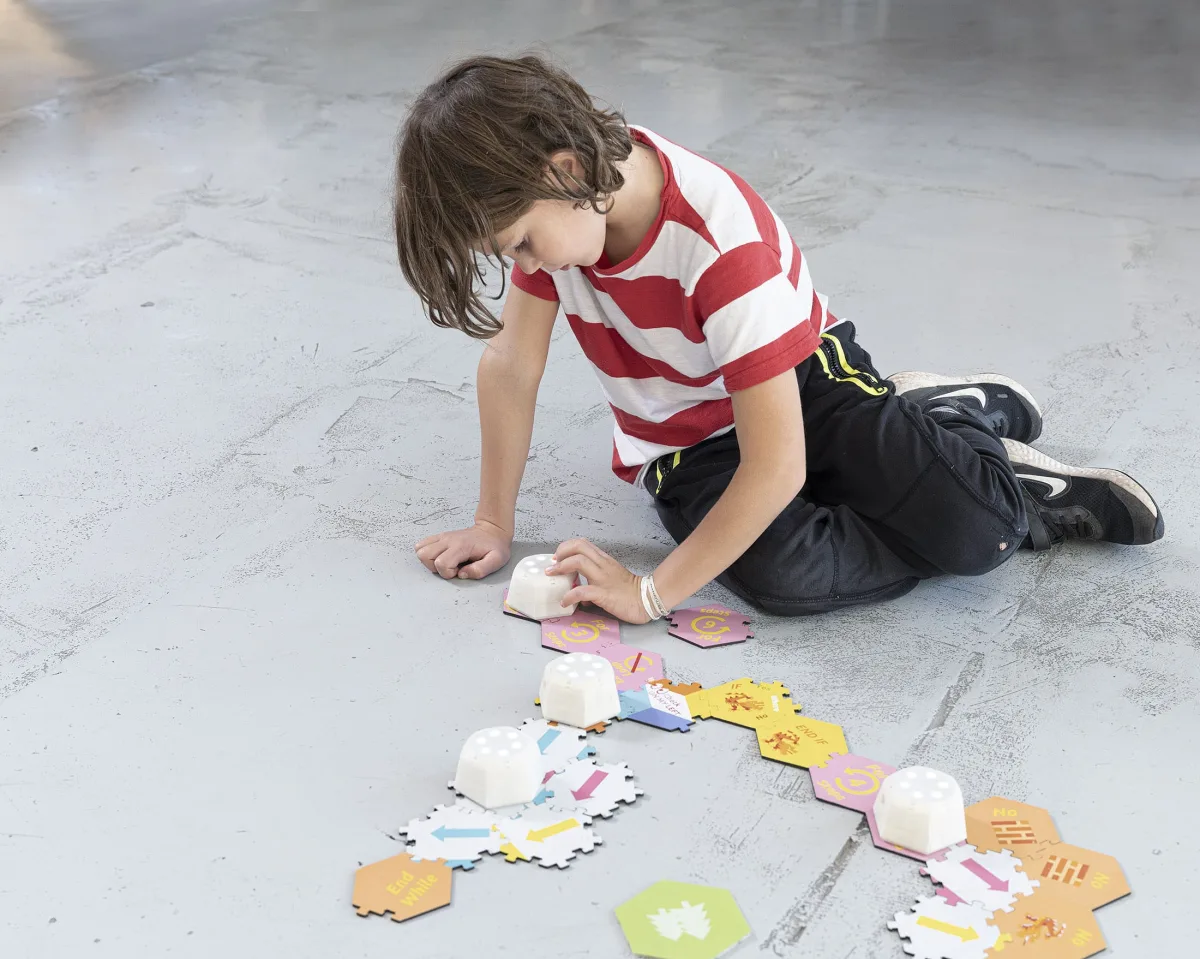
A palm-sized haptic robot from EPFL's CHILI lab meant to be a classroom tool rather than something to program, used in studies on primary-school lessons, handwriting training, stroke rehabilitation and games for older adults. It rolls on ball wheels over ordinary printed paper and reads a microdot pattern underneath to know exactly where it is, so it can move on its own, push back against a hand, or be dragged around freely. Several robots work together through a central tablet or computer, not by talking to each other. Each robot keeps its own Bluetooth link to the tablet, which runs the activity logic and formation control and sends commands, and the paper reports up to 7 robots per tablet due to Bluetooth limits, with larger activities using several tablets in the same room. The catch is that it was never sold, many version 1 parts are discontinued, and version 2 is described on GitHub as having only one stable prototype.
Specifications
| Category | Wheeled rovers · Research mobile manipulators & platforms |
|---|---|
| Released | 2017 |
| Country | Switzerland |
| Availability | Not for sale (research) |
| Programmability | Full SDK |
| Built-in autonomy | None / scripted · Moves only when controlled, or plays preset motions |
| LLM support | Possible via SDK · No LLM features. Activities are apps on a tablet or computer (QML/JavaScript, Unity or ROS), which could in principle connect to an LLM through custom code. |
| MuJoCo simulation | None found · Nothing found. |
| NVIDIA Isaac simulation | None found · Nothing found. |
| Gazebo simulation | None found · Nothing found. EPFL's ROS swarm-robotics course package for Cellulo emulates proximity sensors between real robots, but no Gazebo, ARGoS or Webots model was found. |
| Best for | Professionals & labs |
| Vision sensors | No vision sensors |
| Actuators | Unknown |
| Audio | No audio |
| Compute type | Arduino / ESP32 / microcontroller |
| Remote control | Python from a laptop |
| Size | About 75 mm across, hexagonal (second revision) |
| Drive | Three permanent-magnet-assisted ball wheels, holonomic, so it can move in any direction and be pushed by hand without damage. Version 2 also tested omniwheels |
| Compute | PIC32MZ1024ECG064 microcontroller (version 2 adds an ESP32 for communication and peripherals) |
| Vision | Downward-facing camera that reads a microdot pattern printed on the activity sheet, giving its own position about 93 times a second to about 0.27 mm and 1.5° |
| Lidar | None |
| Sensors | Downward localization camera, 6 capacitive touch buttons each lit by RGB LEDs, detection of being lifted off the paper, Bluetooth 2.1 (RN42 module) |
| Runtime | Not published |
| Speed | Not published |
| SDK | Bare-metal C firmware, Qt/QML plugin (cellulo-qml-plugin) for tablet and desktop apps, Unity SDK (GPL-3.0), ROS packages from an EPFL swarm-robotics course, tools to overlay the microdot pattern on any PDF and mark active zones |
Ratings & reviews
Ratings and reviews load on the live site.
Similar robots
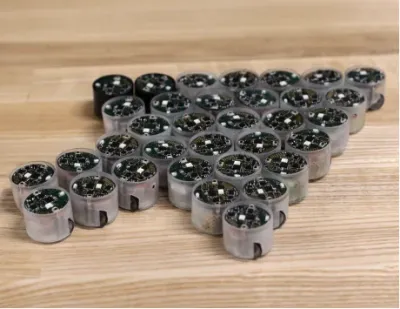 ZooidsStanford Shape Lab / Inria (USA / France)Not for sale
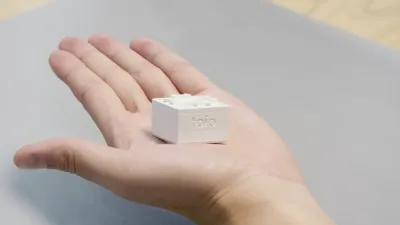 toio Core CubeSony Interactive Entertainment (Japan)$48
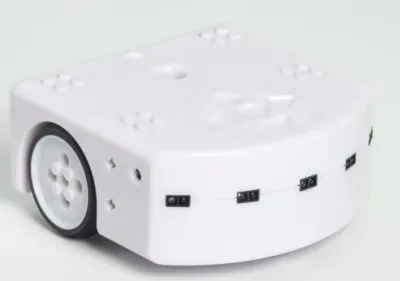 Thymio II / Thymio WirelessMobsya / EPFL (Switzerland)$186 – $240
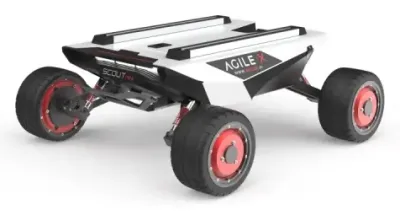 AgileX Scout MiniAgileX Robotics (China)$5,895.95 (Trossen)
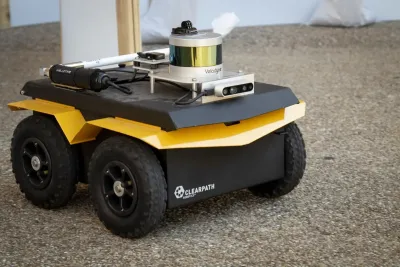 Clearpath JackalClearpath Robotics (Canada, part of Rockwell Automation)Quote (~$20,000+, est.)
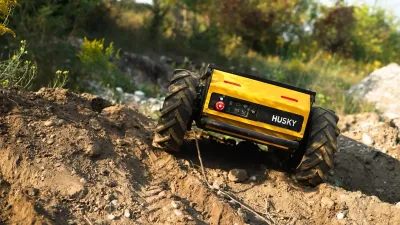 Clearpath Husky (A200 / A300)Clearpath Robotics (Canada, part of Rockwell Automation)Quote (~$30,000+, est.)